The Central Bank approved rules for round-the-clock phone-number transfers through the Instant Payments System, with recipient details shown before confirmation.

Kazakhstan is advancing QazTech, eGov 3.0 and the eGov GPT assistant as it aims to join the world’s top 15 countries for e-government development.
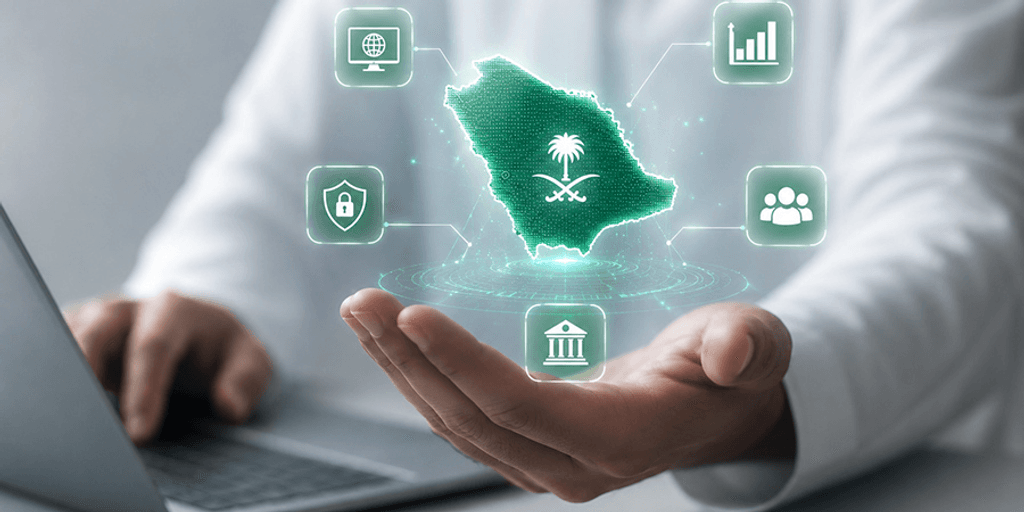
Saudi Arabia’s digital government progress combines interagency cooperation, infrastructure, unified digital identity and regular assessment of users’ experience.
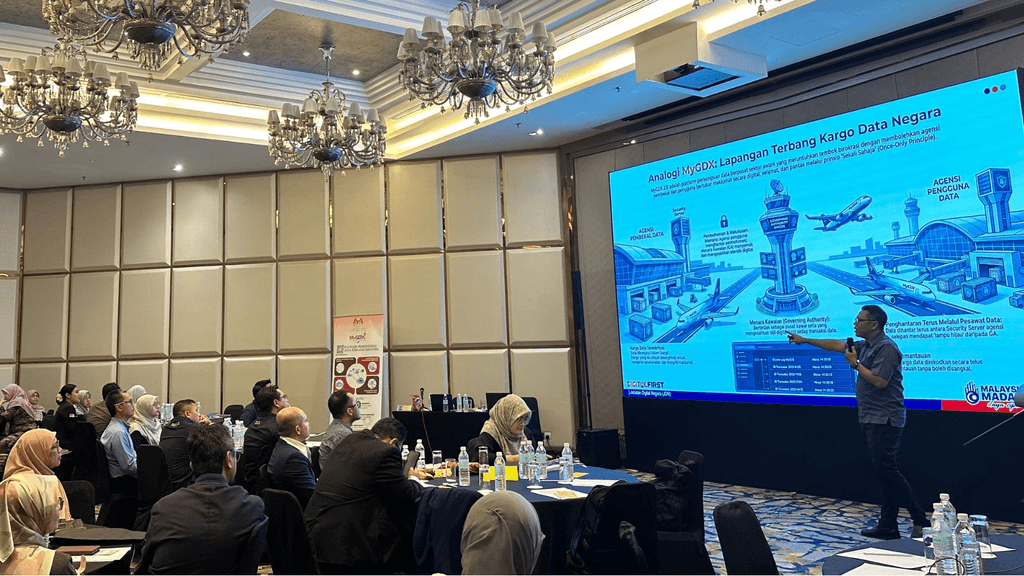
Malaysia’s MyGDX supports secure interagency data exchange through more than 400 APIs and the principle that citizens should provide information only once.

Uzbekistan’s Customs Committee explains electronic declarations, automated clearance, interagency integration and digital services that reduce businesses’ paperwork.
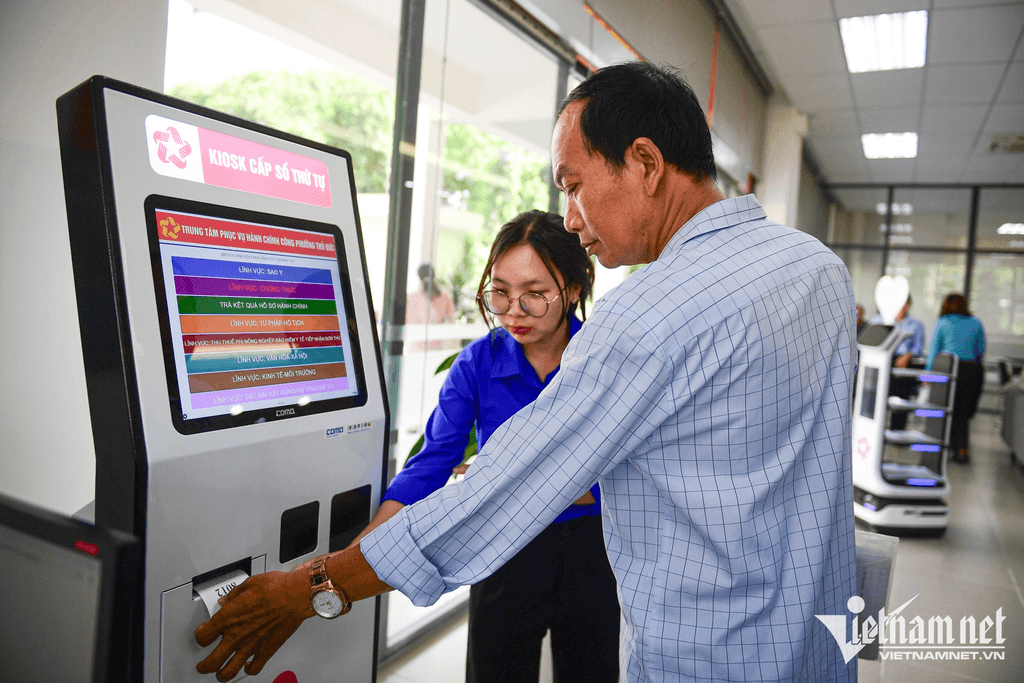
Vietnam’s 2026–2030 strategy targets digital government, a larger digital economy, AI adoption and widespread digital skills training.

Uzbekistan’s delegation, including Minister Sherzod Shermatov, is attending WAIC in Shanghai to strengthen international cooperation in AI.

Indonesia expects to save over $84 billion by integrating government systems, improving the targeting of social assistance and using AI.
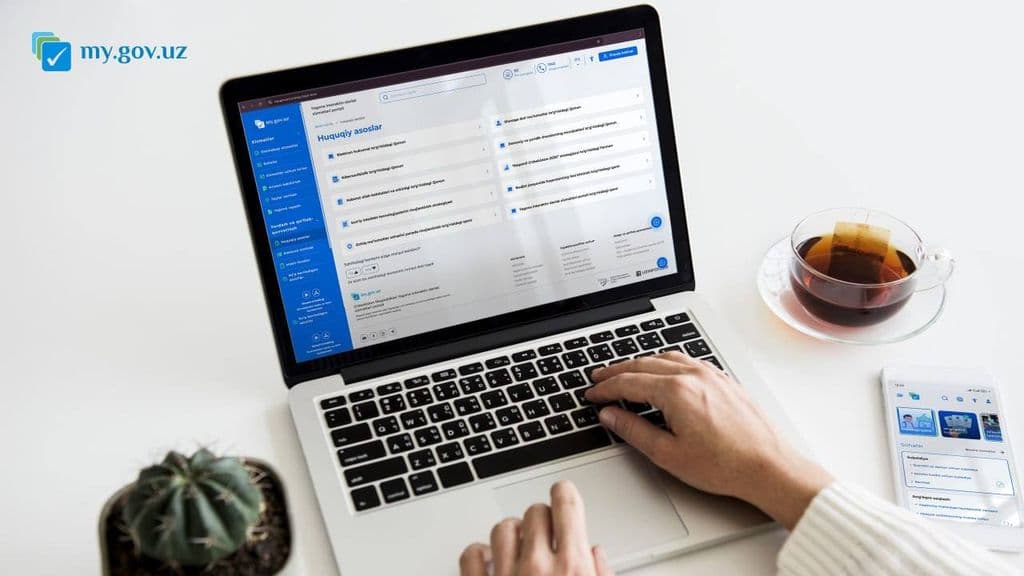
From October 1, 2026, my.gov.uz will add services for property restrictions, telephone numbers, bank cards and notifications of notarial acts.