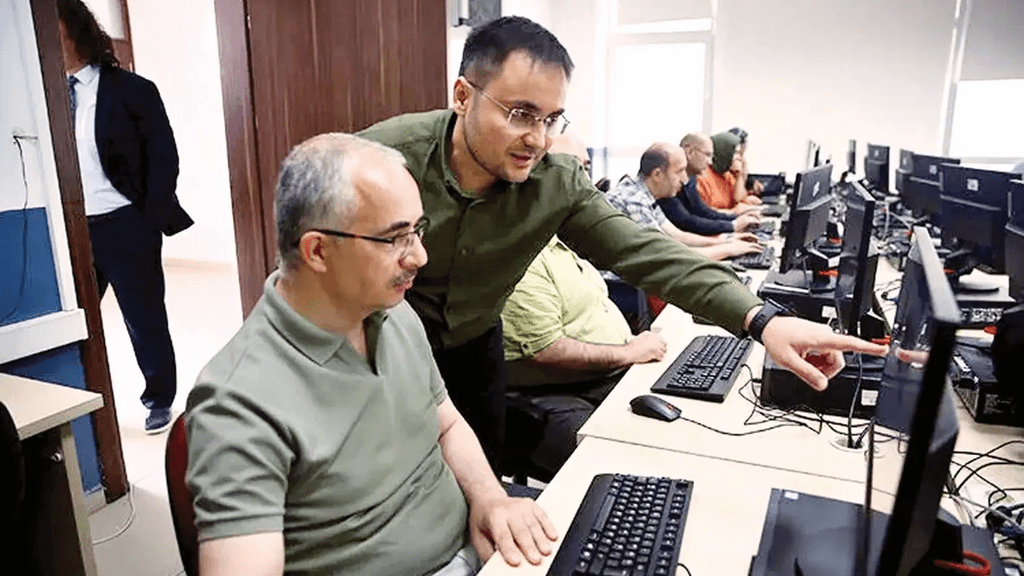
Türkiye is introducing mandatory AI training for civil servants and plans 30 pilot projects across at least 10 ministries during the first year.

Kazakhstan is advancing QazTech, eGov 3.0 and the eGov GPT assistant as it aims to join the world’s top 15 countries for e-government development.

Saudi Arabia’s digital government progress combines interagency cooperation, infrastructure, unified digital identity and regular assessment of users’ experience.
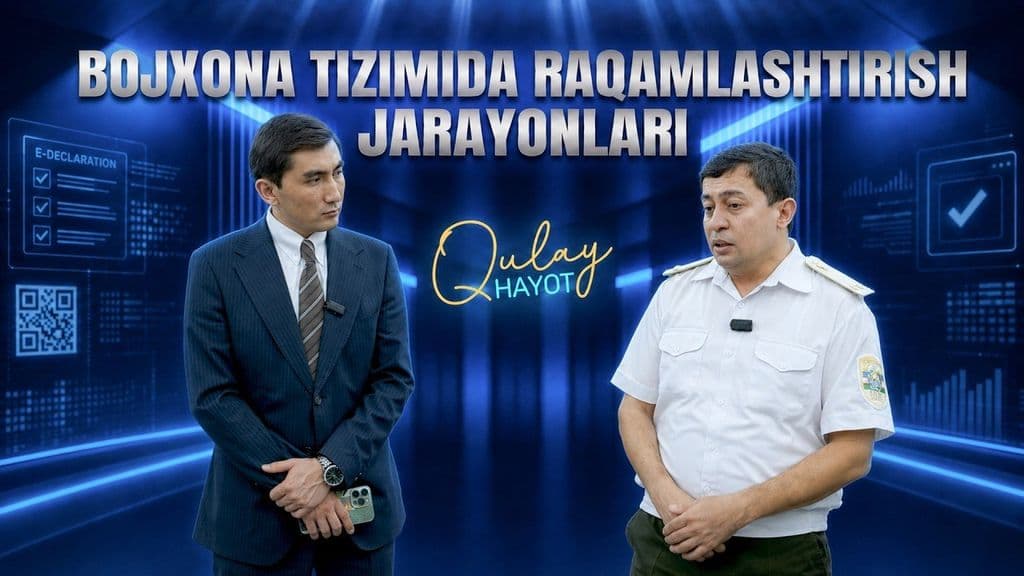
Uzbekistan’s Customs Committee explains electronic declarations, automated clearance, interagency integration and digital services that reduce businesses’ paperwork.
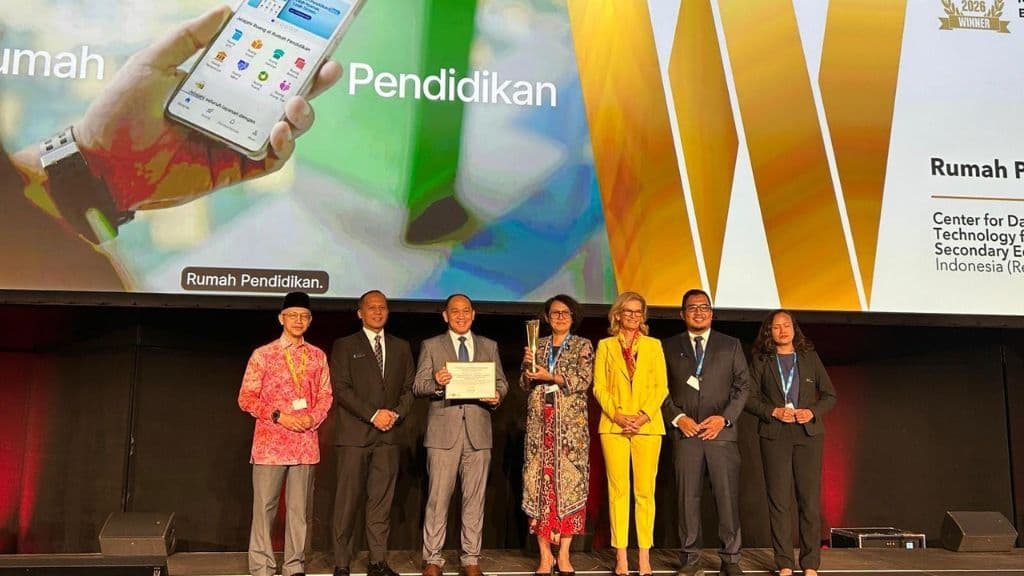
Rumah Pendidikan won a WSIS Prizes 2026 award by bringing 66 education services and over 6.9 million users together on one platform.
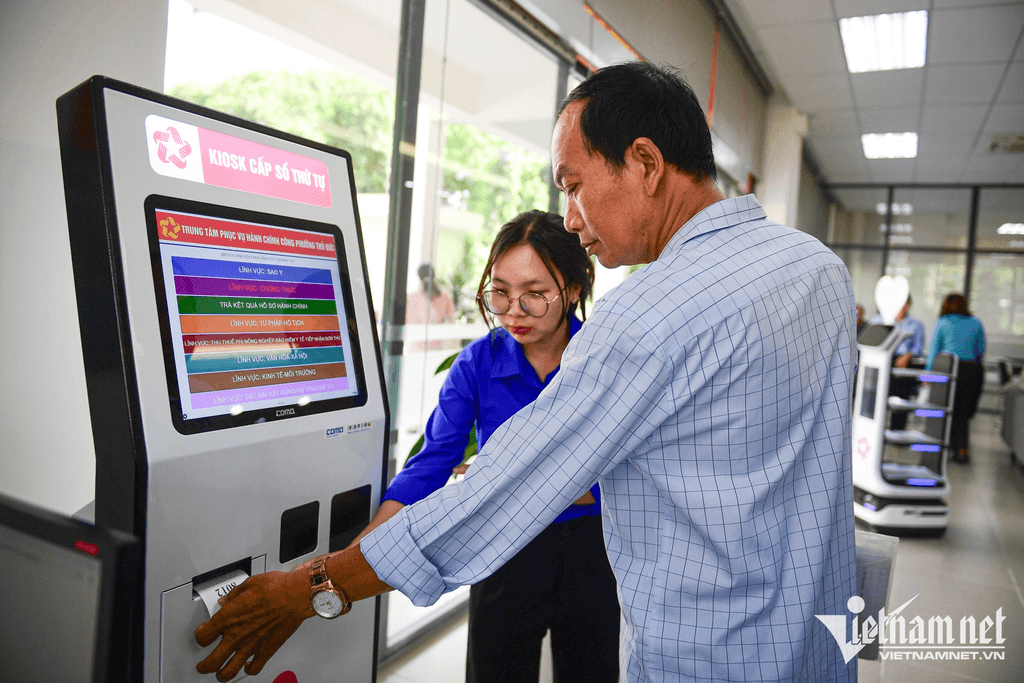
Vietnam’s 2026–2030 strategy targets digital government, a larger digital economy, AI adoption and widespread digital skills training.
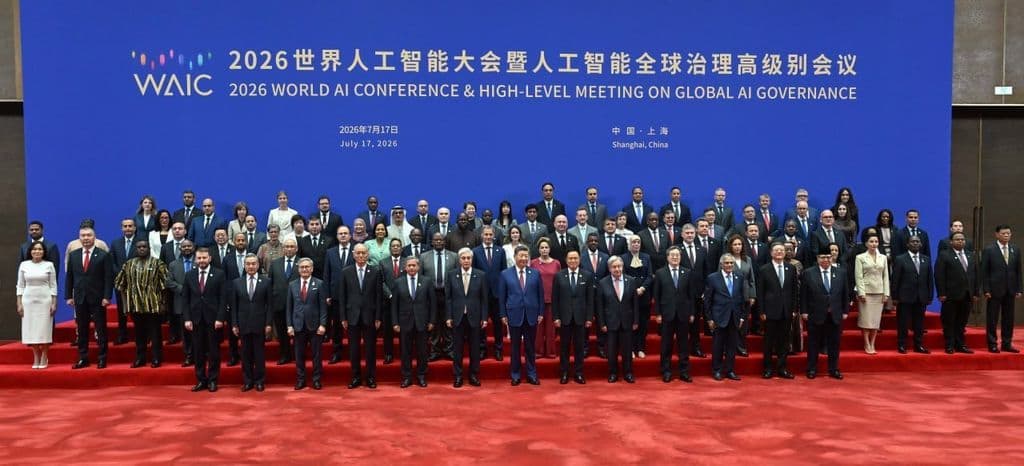
Uzbekistan’s delegation, including Minister Sherzod Shermatov, is attending WAIC in Shanghai to strengthen international cooperation in AI.
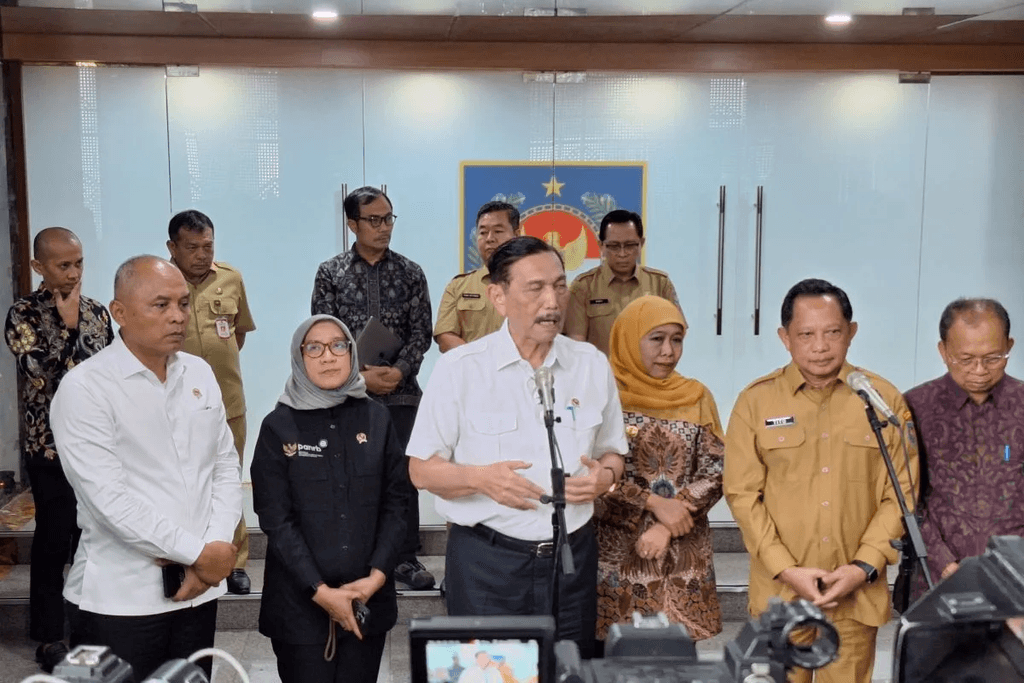
Indonesia expects to save over $84 billion by integrating government systems, improving the targeting of social assistance and using AI.

First Deputy Minister of Digital Technologies Oleg Pekos held a meeting with Marian Przejdzetski, Chargé d'Affaires of the Republic of Poland in Uzbekistan, and Przemysław Senczkowski, Vice President of Asseco International, to discuss opportunities for